About Tensile Membrane Structures
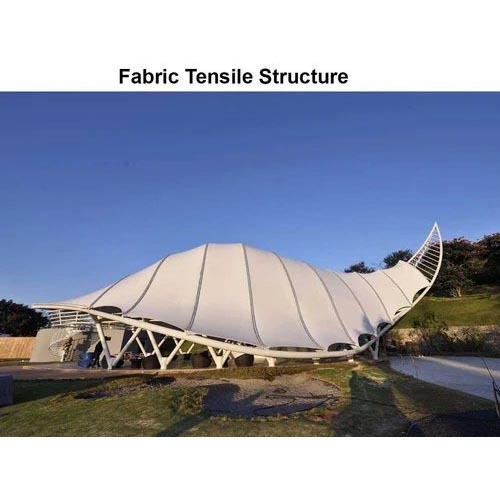
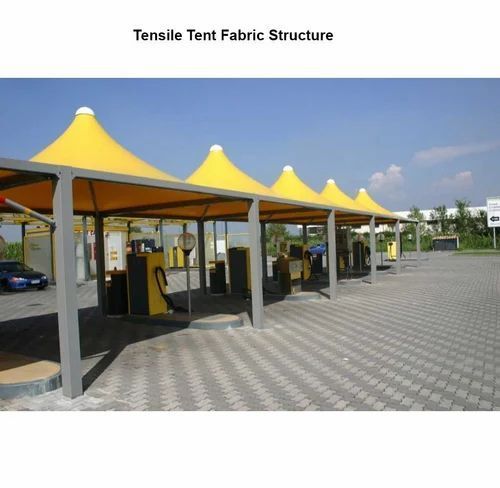
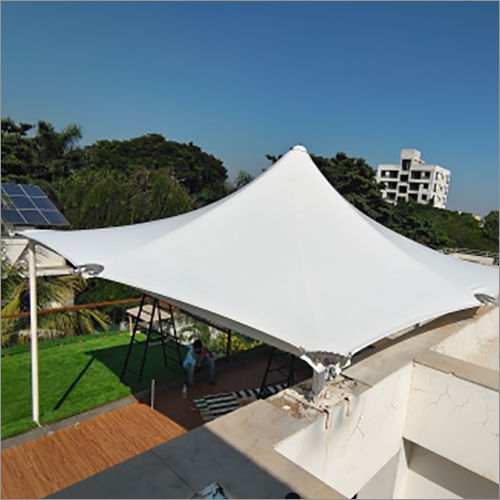
Introducing our Tensile Membrane Structures a modern and innovative solution for creating stunning and functional architectural designs. These structures utilize high performance fabric membranes, tensioned and supported by a variety of structural systems, to form elegant and efficient spaces. Ideal for use in stadiums, airports, exhibition halls, and outdoor pavilions, tensile membrane structures offer exceptional durability, flexibility, and aesthetic appeal. The lightweight nature of the materials allows for expansive, unobstructed spaces, while the membranes provide excellent resistance to weather and environmental conditions. With customizable shapes, colors, and translucency levels, our tensile membrane structures can be tailored to meet the unique requirements of any project. Enhance your architectural designs with the versatility and beauty of our Tensile Membrane Structures, delivering both functionality and visual impact.
Built to Last in Challenging ConditionsWith fire-retardant membrane fabrics and robust steel frames, these structures maintain integrity even in harsh environments. Designed for up to level 7 earthquake intensity, strong winds, and fluctuating temperatures, they deliver exceptional performance and safety. Their lifespan of 15-25 years and resistance to UV and water ensure reliable, long-term outdoor usage.
Tailored Design, Easy AssemblyEvery structure is customizable in terms of size, shape, and color. Prefabricated components permit rapid, efficient assembly on-site through bolted steel connections. Door and window placements-single/double leaf with fixed or openable windows-are tailored to the client's functional needs. Integrated lighting and ventilation options ensure comfort and usability day and night.
Efficient Maintenance and Enduring ValueMaintenance is straightforward, requiring only occasional cleaning and inspection to preserve appearance and function. High-quality materials like galvanized steel and UV-stabilized membranes minimize deterioration. Optional wall and roof insulation, along with robust floor construction, provide additional comfort and energy efficiency.
FAQ's of Tensile Membrane Structures:
Q: How are tensile membrane structures assembled on-site?
A: These structures use prefabricated steel and membrane components that are transported to the site and assembled using bolted connections. This streamlined process allows for efficient and rapid erection with minimal on-site fabrication.
Q: What are the benefits of using tensile membrane structures for outdoor spaces?
A: They provide a lightweight, aesthetically appealing solution with high durability, fire and UV resistance, and minimal maintenance. Integrated lighting and ventilation options, customizable layouts, and strong weather resilience make them ideal for various commercial, recreational, and industrial uses.
Q: When should insulation be considered for a tensile membrane structure?
A: Insulation is recommended in environments with significant heat or cold exposure, or where sound dampening is desired-such as event venues or industrial spaces. Optional wall and roof insulation can be added using PU foam or glass wool as required by project needs.
Q: Where can these membrane structures be installed?
A: They are suitable for installation in diverse outdoor environments, including sports arenas, exhibition grounds, industrial zones, public parks, and event venues. Their customizable dimensions and robust design accommodate a wide range of spatial and climatic requirements.
Q: What is the typical maintenance process for these structures?
A: Maintenance involves periodic cleaning of the membrane surface and frame, as well as routine inspections for wear, especially after extreme weather events. The use of corrosion-resistant materials and UV-protected fabrics further reduces long-term upkeep effort.
Q: How do the structures ensure safety and comfort?
A: The structures are designed to withstand winds up to 120 km/h and earthquakes up to level 7. The roof is fully waterproof, with optional insulation for temperature control, and integrated ventilation or air vents can be installed to maintain fresh airflow.
Q: What materials are used in the frame and roofing of these structures?
A: Frames are crafted from galvanized or mild steel pipes with powder coating or hot-dip galvanization, while the roof utilizes tough, fire-retardant, UV-protected membranes-either PVC-coated polyester or PTFE-coated glass fiber-ensuring longevity and reliability.







 Send Inquiry

 Send Inquiry
 Send Inquiry
 Send SMS


