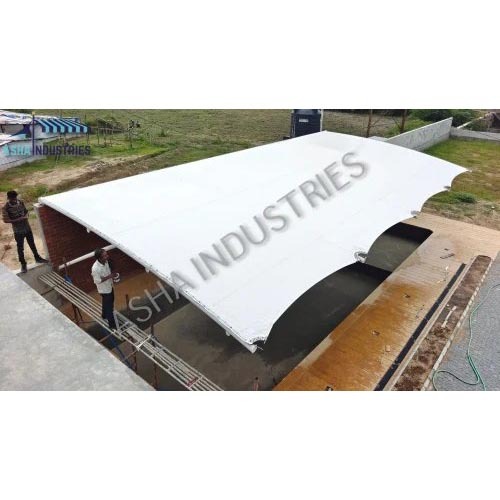
About
Scope of Work
The scope of work includes:
Design, engineering, and detailing of the tensile structure.
Selection of materials for the membrane, cables, supports, and anchors.
Fabrication of all structural components, including tensioning systems and support frames.
Installation and tensioning of the fabric and supporting components on-site.
Design Requirements
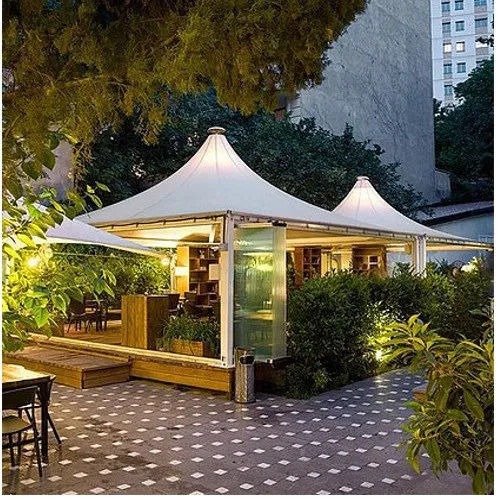
Form and Shape: The conical tensile structure shall have a conical or hyperbolic shape, with a central apex and radially symmetrical design. The geometry should be designed to provide both aesthetic appeal and structural stability.
Tensioning System: The structure shall be equipped with an efficient tensioning system, which may include cable netting, steel cables, and turnbuckles. This system should allow for precise adjustment of the membrane's tension to maintain the desired form and stability.
Materials
Membrane Material:
The membrane shall be made of high-performance tensile fabric material with UV resistance, Fire Resistance, tear resistance, and water resistance. Common materials include PVC-coated polyester, PTFE (polytetrafluoroethylene).
The fabric must be durable and resistant to extreme weather conditions (e.g., UV degradation, temperature fluctuations, and pollution).
The fabric should also meet fire-resistance standards in accordance with local building codes.
Structural Supports and Cable System:
Cables: High-strength steel cables or carbon fiber cables should be used for load transfer and tensioning, with a corrosion-resistant coating (e.g., galvanized or stainless steel).
Frame Structure: The support frame may be made of steel or aluminum, designed to withstand both static and dynamic loads. The frame must be Painted, powder-coated or galvanized for long-term durability.
Installation
Site Preparation: The installation site should be prepared to accommodate the foundations, anchors, and any associated utilities.
Structural Assembly: The installation process will involve the assembly of the frame and support structure, followed by the mounting of the tensioned fabric.
Tensioning: Once the fabric is mounted, the tensioning system must be carefully adjusted to ensure uniform tension across the membrane, with particular attention to maintaining the structural geometry and load distribution.
Maintenance and Warranty
Maintenance Guidelines: Regular inspection and maintenance should be scheduled every 12 months to ensure the integrity of the structure. This includes checking for fabric wear, cable tension, and anchor stability.
Warranty: 5-year warranty should be provided on the PVC Coated Tensile Fabric, covering defects in materials or workmanship. Extended warranties can be considered based on the terms agreed upon during the contract phase.
Compliance and Standards
The design and construction of the conical tensile structure must comply with relevant building codes, safety regulations, and local zoning requirements, including:
ISO 13934-1: Testing of fabric for tensile strength.
ASTM E84: Fire tests for building materials.
Local building codes regarding wind load, snow load, and structural safety.
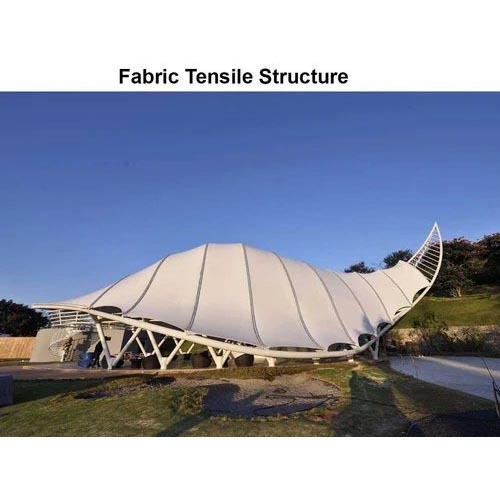
Superior Structural PerformanceEngineered with galvanized or powder-coated mild steel frames and anti-corrosive treatments, these tensile structures are built to withstand the rigors of the outdoors. Designed to be fully waterproof and wind-resistant up to 180 km/h, each structure is tailored to meet the unique environmental requirements of its installation site. Optional enhancements such as lighting, drainage, or branding further increase versatility.
Maintenance & LongevityFeaturing a UV-resistant, fire-retardant membrane with a life span of 15-25 years, our structures require only low, periodic cleaning to maintain their performance and appearance. The durable steel frame boasts a lifespan of over 20 years, and the bolted connections provide added corrosion resistance for minimal ongoing upkeep in all climates.
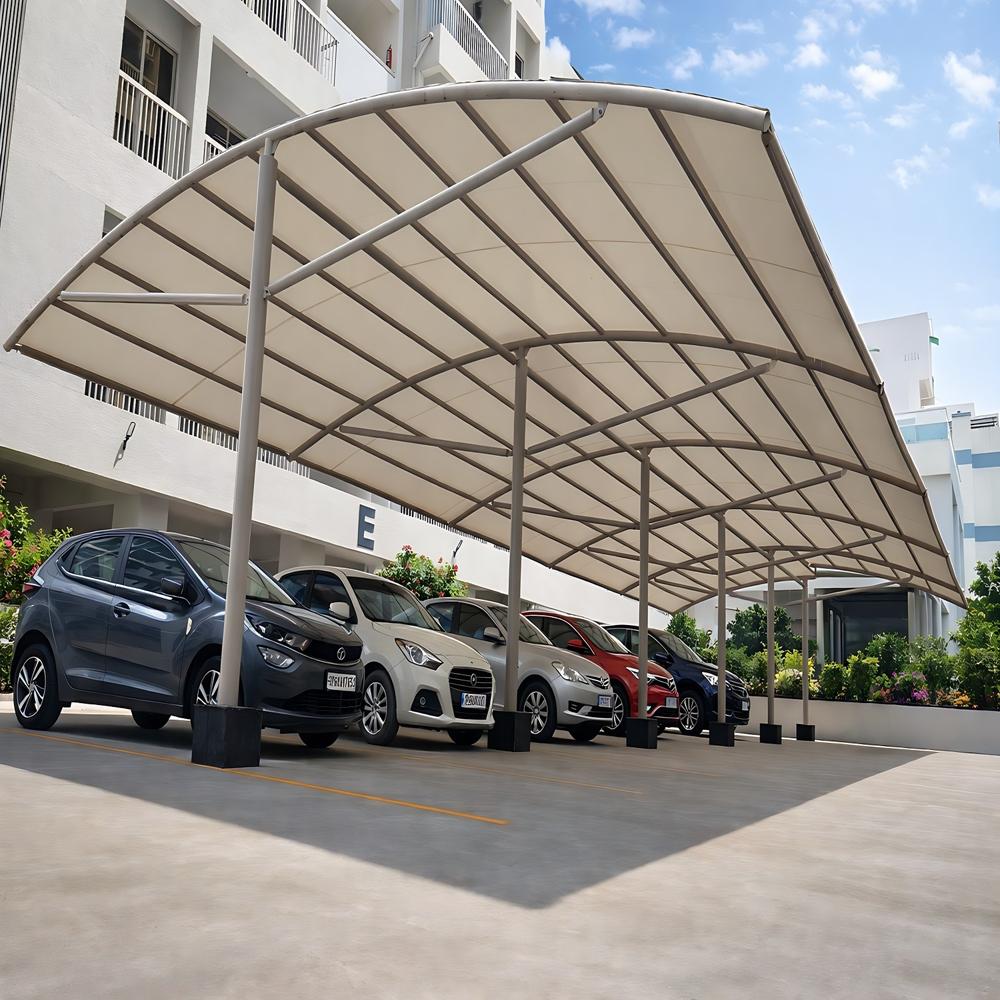
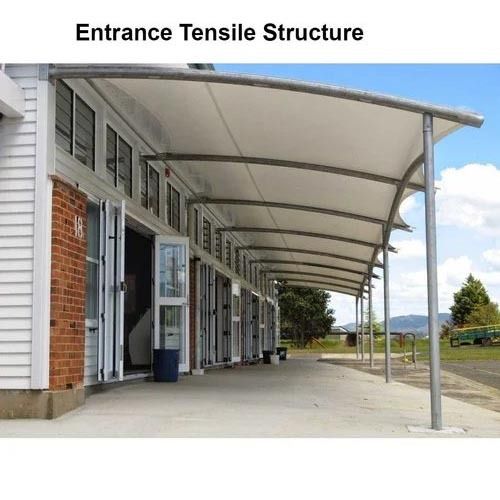
Customizable for Every ApplicationWhether needed for car parks, walkways, playgrounds, or stadiums, our conical tensile structures can be tailored in size, color, and form. Additional options-such as side cladding, floor materials, insulation, and lighting-allow for perfect integration with architectural themes or branding needs, ensuring both function and visual appeal.
FAQ's of Conical Tensile Structure:
Q: How is the conical tensile structure installed on site?
A: The installation involves assembling components on-site using cranes or manual methods, depending on project scale. The structure is anchored on concrete or paver block foundations and all connections utilize bolted, corrosion-protected steel fittings for security and durability.
Q: What benefits does the UV-stabilized, fire-retardant membrane offer?
A: The membrane provides essential protection against harmful ultraviolet rays, ensuring occupants are shielded from sun exposure while maintaining material longevity. Fire retardancy to international standards (DIN 4102, BS 7837) adds a crucial safety layer for public and commercial spaces.
Q: When should periodic maintenance be performed?
A: Periodic cleaning is recommended to maintain the membrane's translucency and prevent accumulation of dirt or debris. Typically, semi-annual inspections and cleaning are advisable, depending on local environmental conditions.
Q: Where can this tensile structure be effectively used?
A: Designed for outdoor spaces, it is ideal for car parking shelters, walkways, stadiums, playground canopies, exhibition stands, and outdoor seating. The flexibility in size and features allows for diverse architectural applications across India.
Q: What customization options are available for this structure?
A: Clients can customize dimensions, membrane type, colors, and accessories such as lighting, drainage, branding, optional side cladding, and thermal insulation. Optional side panels, doors, and additional weatherproofing features ensure each installation meets specific project requirements.
Q: How does the structure perform in extreme weather or seismic events?
A: With wind resistance rated between 100-180 km/h and engineering to endure standard seismic loads, the structure offers strong performance in adverse weather and earthquake-prone areas, making it suitable for varied climatic and seismic zones.
Q: What is the process for obtaining a customized tensile structure in India?
A: Simply reach out to the manufacturer or supplier with your requirements. After a site survey and technical consultation, a tailored solution-including design, materials, accessories, and installation method-will be presented, ensuring efficient delivery and on-site assembly.